

Fo Guang Shan Buddha Museum
Free entry
The Fo Guang Shan Buddha Museum in Dashu District, about 20 km north-east of central Kaohsiung, is a Buddhist museum opened in 2011 beside the Fo Guang Shan Monastery. An avenue of eight pagodas leads to the main hall, which enshrines a tooth relic of the Buddha, with a large bronze seated Buddha rising behind it.
Good to know
- Opening hours
- Mon 09:00–18:00Tue closedWed–Sun 09:00–18:00
- Price
- Free entry
Hours checked October 17, 2026 · source fgsbmc.org.tw
Getting there
Kaohsiung, Taiwan
When to go
Today’s hoursAll weekHide week
What’s on
 Now on
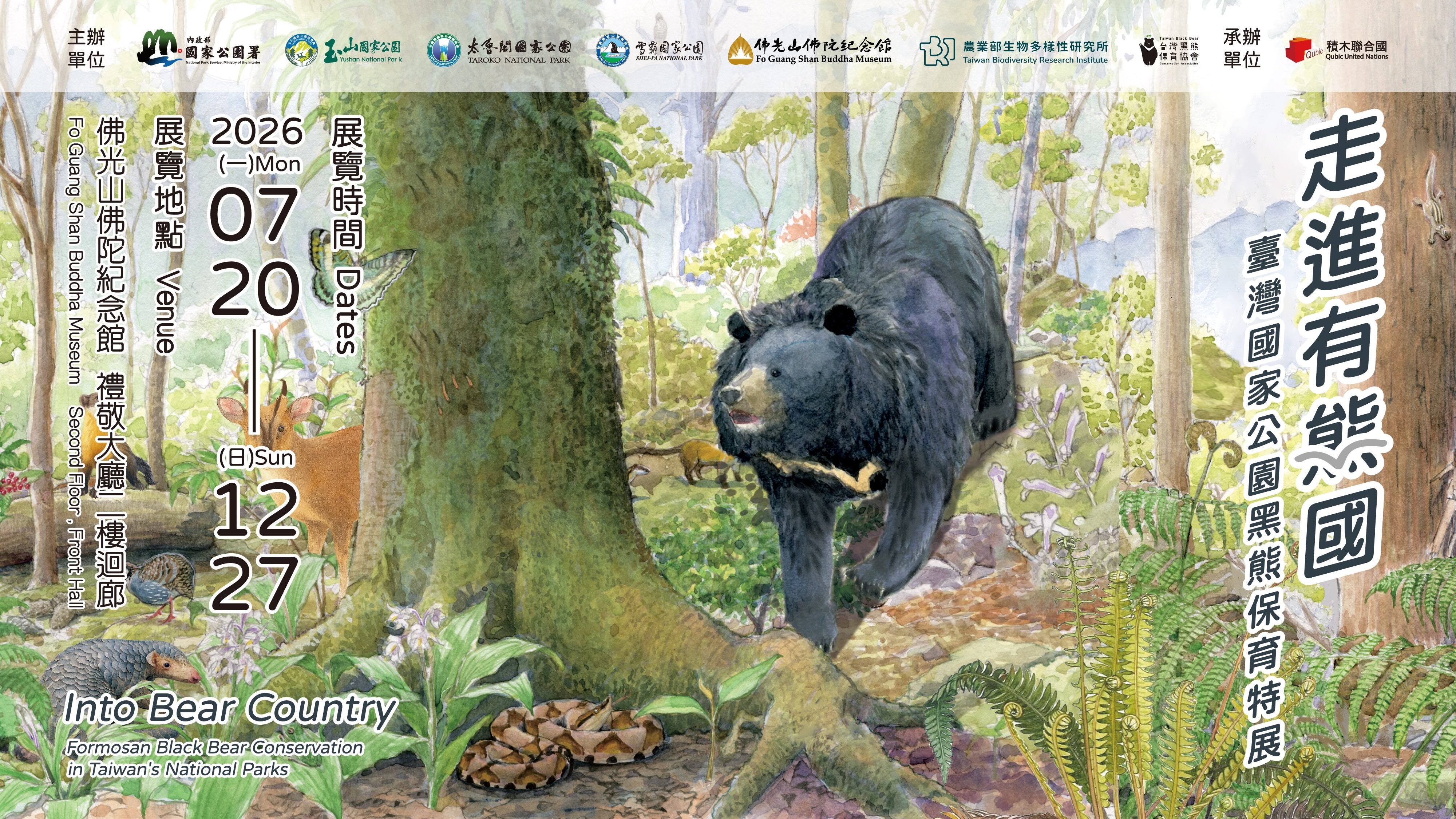
走進有熊國
Until 27 Dec 2026
The Formosan black bear is known as the “king of the forest”. Its glossy black fur and the distinctive white V-shaped mark on its chest make it one of the most representative wild animals of Taiwan's forests. It lives in mid- to high-altitude mountain forests and plays an important role in maintaining ecological balance.
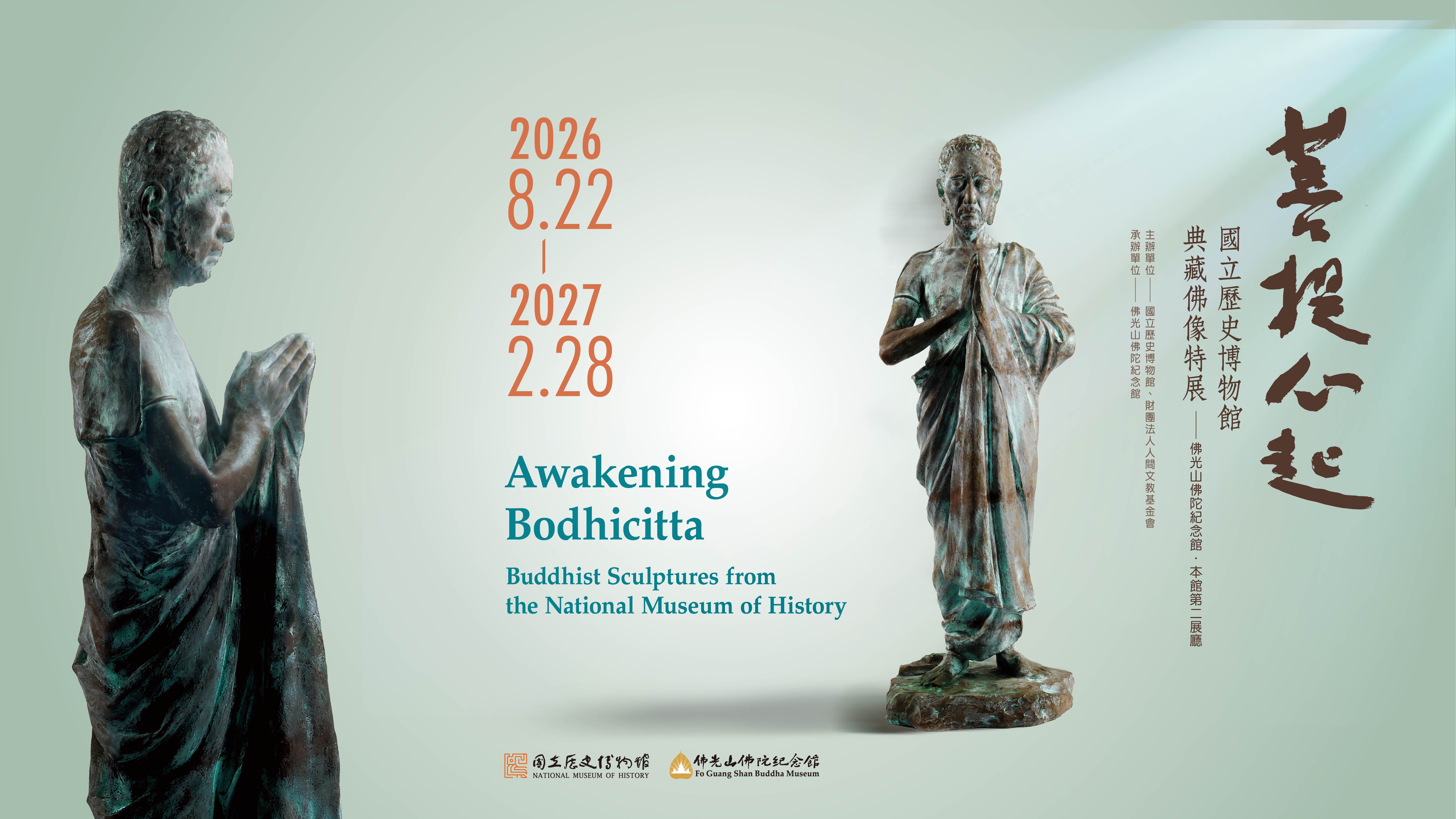
菩提心起
Since Buddhism originated in India more than two thousand years ago, it has gradually spread around the world and had a profound influence on human civilisation. As an important part of Buddhist culture, Buddhist sculpture became a key medium for spreading the teachings and promoting the spirit; it is not only a religious symbol but also an artistic crystallisation of faith, philosophy and aesthetics.
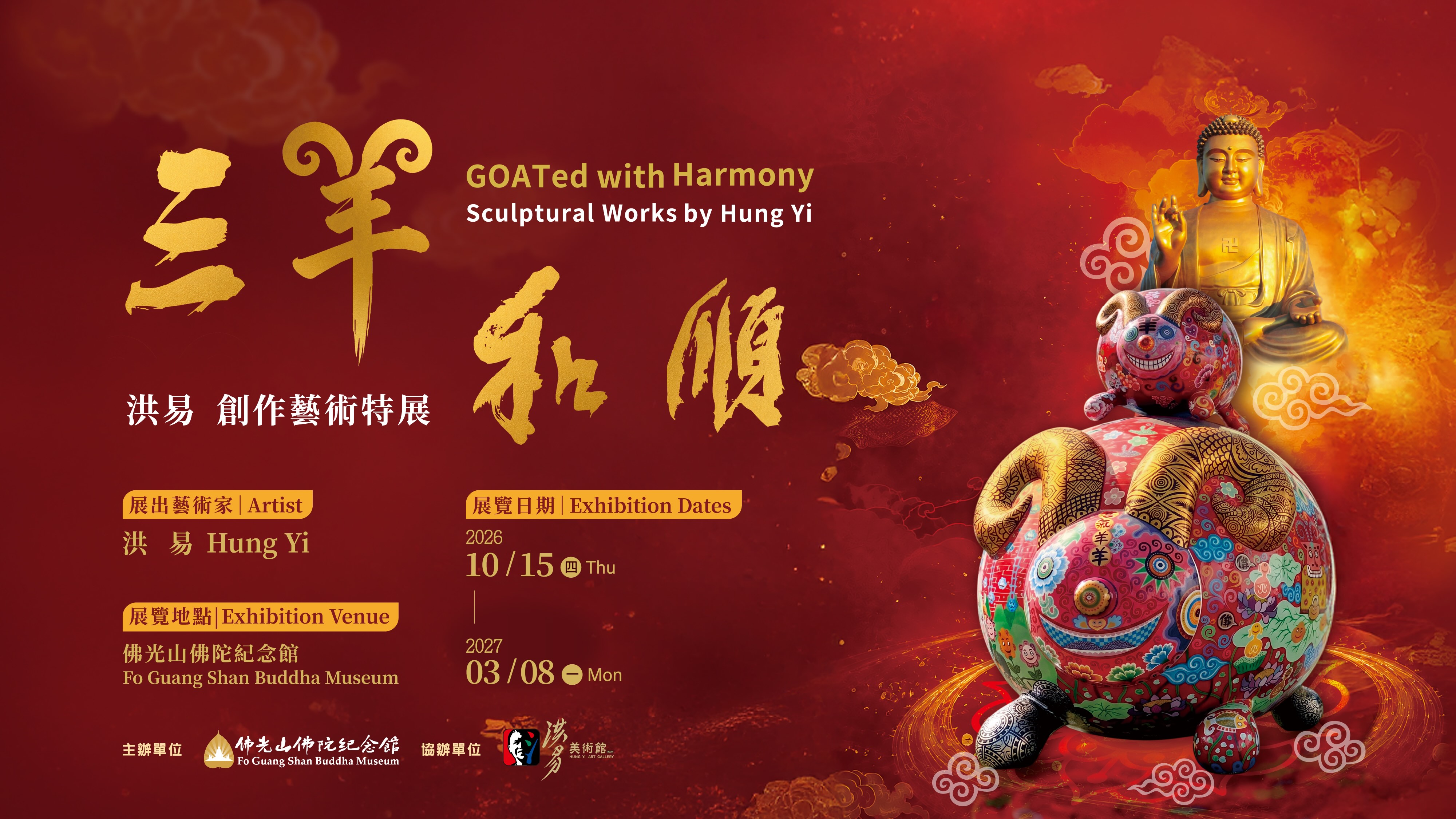
三羊和順
This exhibition, “GOATed with Harmony – Sculptural Works by Hung Yi”, brings more than twenty playful, lively three-dimensional sculptures, from cute animals to sci-fi aliens, so that sculpture is not only art to be looked at but a living character you can approach, feel and share joy with.
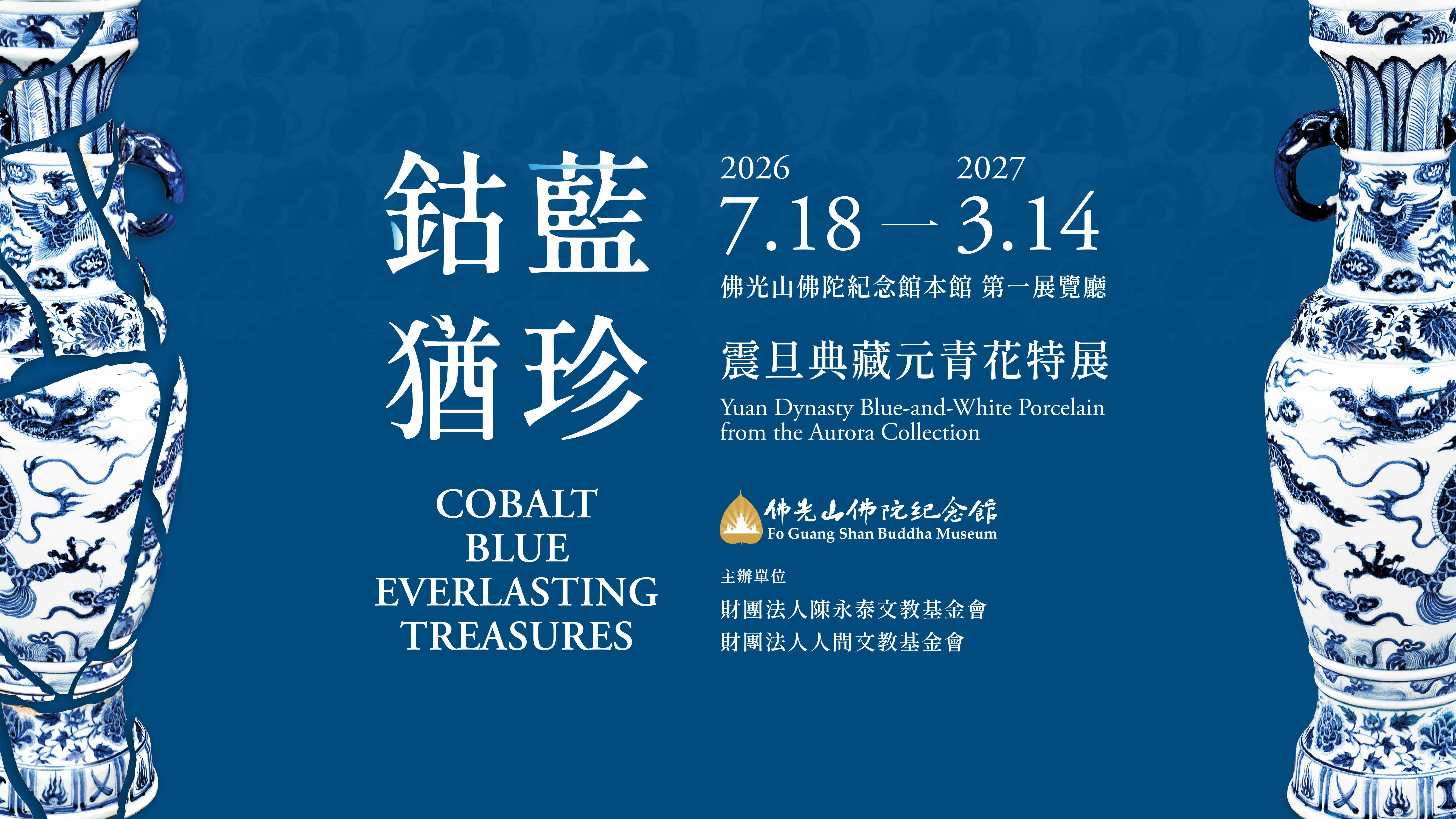
鈷藍猶珍
Yuan-dynasty blue-and-white is underglaze painted porcelain; its appearance broke the aesthetic tradition of the famous Song kilns, which were dominated by monochrome glazes, and opened an epoch-making chapter in the later development of coloured porcelain.
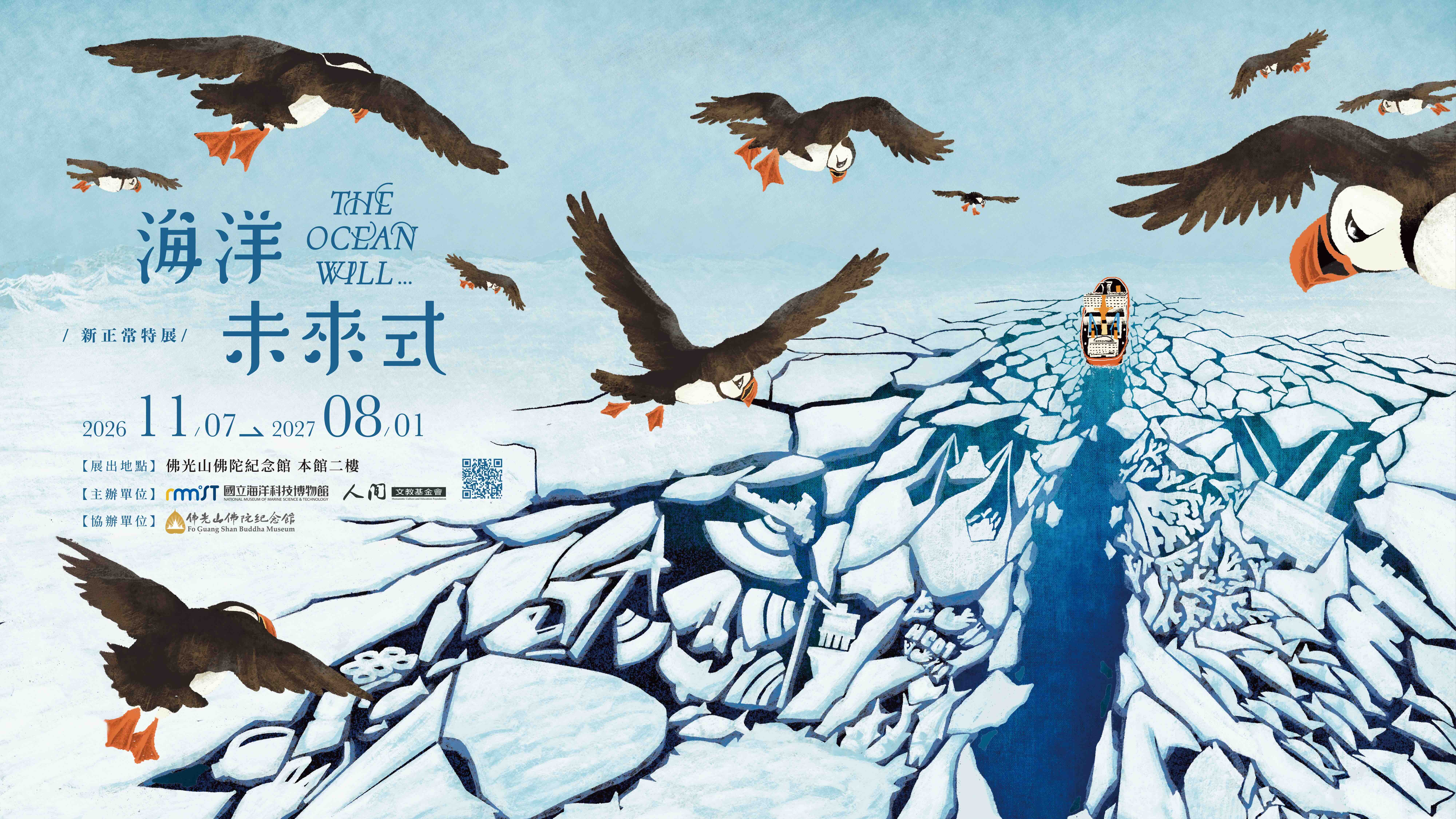
國立海洋科技博物館《海洋未來式》巡迴特展
The ocean is the mother of humanity, and of the Earth itself! It nurtures abundant resources and also selflessly receives man-made waste. The ocean absorbs more than 90% of the heat in the atmosphere and takes in the greenhouse gases produced by humans, and this unbalanced energy will eventually surface in the form of some crisis. In other words, while we go about our daily lives, the ocean is quietly bearing the burden. The special exhibition "The Ocean Will…" echoes the UN 2030 SDGs and Taiwan's 2050 net-zero emissions goals, taking up three themes: Earth's climate observation, marine biodiversity, and net-zero green-living actions. Through eye-catching visual storytelling, it offers a more forward-looking perspective on, and literacy about, the ocean.

華彩萬象
Cave temples are an important part of ancient Chinese cultural heritage, with unique historical, cultural and artistic value. As early as around the 3rd century AD, grotto art from ancient India crossed mountains and deserts along the old merchant routes and entered China via the Western Regions, where it merged with traditional Chinese culture and produced a great many gems of grotto art with distinctive Chinese character and artistic charm.

佛教海線絲綢之路
On the occasion of the Buddha Memorial Center's tenth anniversary, internationally renowned Buddhist scholars were invited to co-curate the exhibition: Professor Emeritus Dr. Lewis R. Lancaster of the University of California, Berkeley, new media art pioneer Professor Jeffrey Shaw, Professor Sarah Kenderdine, and the Buddha Memorial Center's director, Venerable Ru Chang. Together they present the "Buddhist Maritime Silk Road: New Media Art Exhibition" at the Buddha Memorial Center.
Photos: Fo Guang Shan Buddha Museum
Frequently asked questions
Is Fo Guang Shan Buddha Museum free?
Yes. Entry to Fo Guang Shan Buddha Museum is free.
What are the opening hours of Fo Guang Shan Buddha Museum?
Opening hours: Mon 09:00–18:00 · Tue closed · Wed–Sun 09:00–18:00.
Free entry