

Kulturen
Kulturen is an open-air museum and museum of cultural history covering two blocks in central Lund, run by an association founded in 1882 and opened in 1892. Houses from the Middle Ages to the 1930s, among them the wooden Bosebo church of 1652, stand along gardens and cobbled lanes, and around twenty exhibitions range from folk art to modern design.
Good to know
- Opening hours
- We don’t have these yet — check kulturen.com
Getting there
Lund, Sweden
What’s on
 Now on
Madicken – en lekutställning
Until 22 Aug 2027
Madicken – a play exhibition is full of interactive features suited to children aged 3–9. Here you can play a large-format board game, play in settings from Madicken, dress up and much more.

Dioramat – Slaget vid Lützen 1632
In the exhibition Dioramat – Slaget vid Lützen 1632 you get a snapshot of one of Europe's most devastating and significant battles before the two world wars. With 3,600 tin figures, the artist Ove Rützou wanted to portray the battlefield at the moment when the Swedish king falls from his horse and dies.

Metropolis – Lund och medeltiden
Metropolis – Lund and the Middle Ages was reopened in February 2023, after being reworked and updated. Here we show a rich treasure of objects that Kulturen's archaeologists have excavated in Lund over more than 130 years.

Skånsk allmoge – med konstnärens blick
Scanian farms, rolling fields, colourful textiles and costumes are motifs that have long attracted artists. The exhibition Skånsk allmoge – med konstnärens blick presents a small selection of paintings from the collections of Kulturen

En annan värld – konst från Sankt Lars sjukhus
The exhibition En annan värld – konst från Sankt Lars sjukhus presents just over 70 artworks created by patients admitted to Sankt Lars sjukhus, from the 1880s and a hundred years onward. The works made by the patients are exciting and evocative material with imaginative motifs and unexpected compositions.

Häcken full – Allmogeliv i Skåne för 200 år sedan
About 200 years ago we lived closer to animals and nature. Most people lived in the countryside, and there was neither electricity nor running water. But what was their life like, and what did they do during the days?

2 tjugotal
In the exhibition 2 tjugotal we delve into the 1920s, a transformative time that in many ways was the beginning of modern society. Through a time tunnel you are led into the 1920s and can set off exploring between different themes, both serious and playful.

Dräktmod – folkliga kläder från Skåne
Dräktmod – folkliga kläder från Skåne is an exhibition full of traditions and fascinating details. See both the broad outlines and the small details of Scanian folk dress, up to a change in the 19th century when rural clothing increasingly begins to resemble that of townspeople.
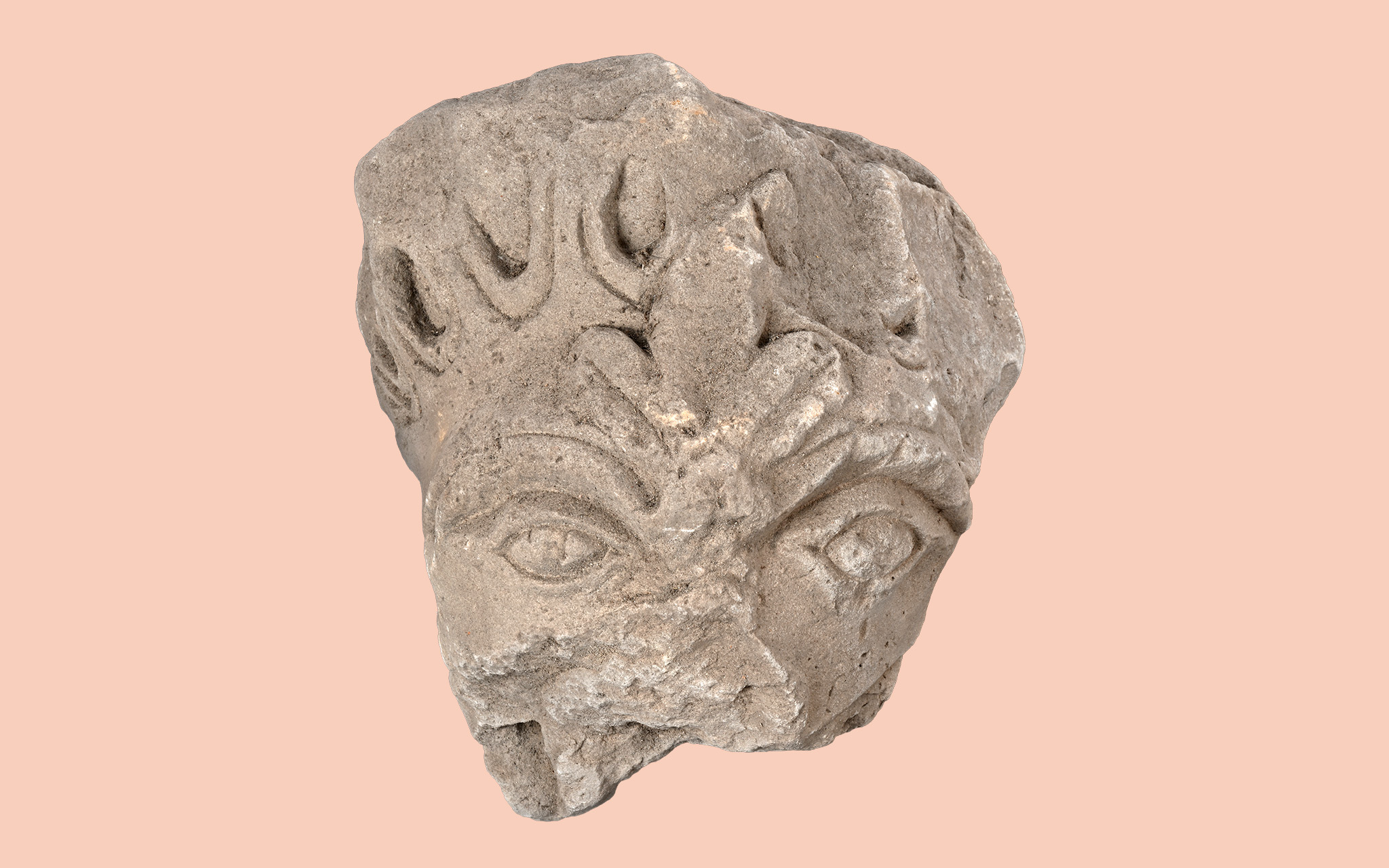
Lunds försvunna kyrkor – byggnadsdetaljer och gravmonument
Lunds försvunna kyrkor – byggnadsdetaljer och gravmonument is a smaller exhibition in which we show building details from Lund's demolished medieval churches, with decoration and sculptural details.
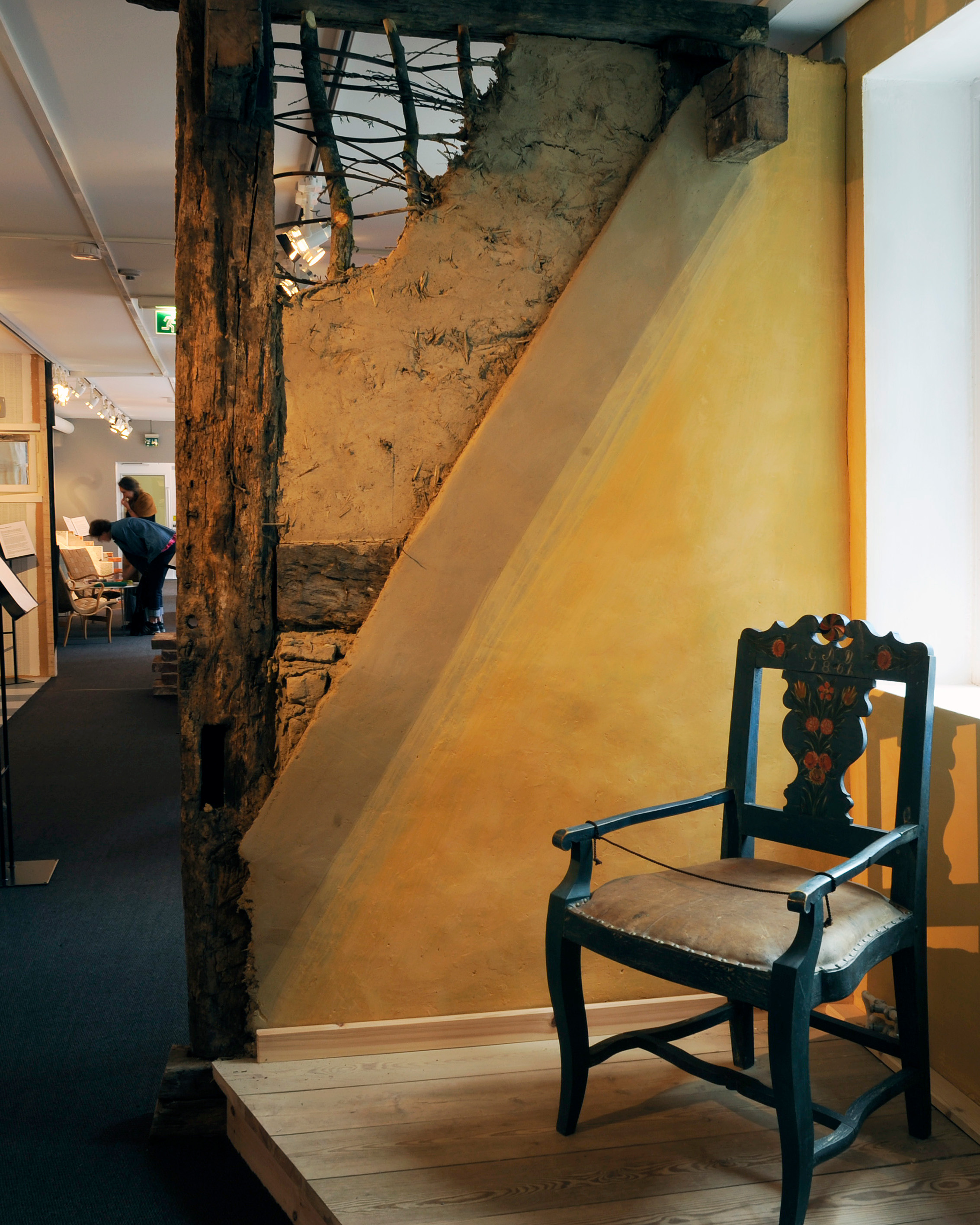
ByggnadsKulturen
We want both to awaken an interest in building conservation and to share knowledge and resources with those who want to care for their own homes or are planning to renovate.
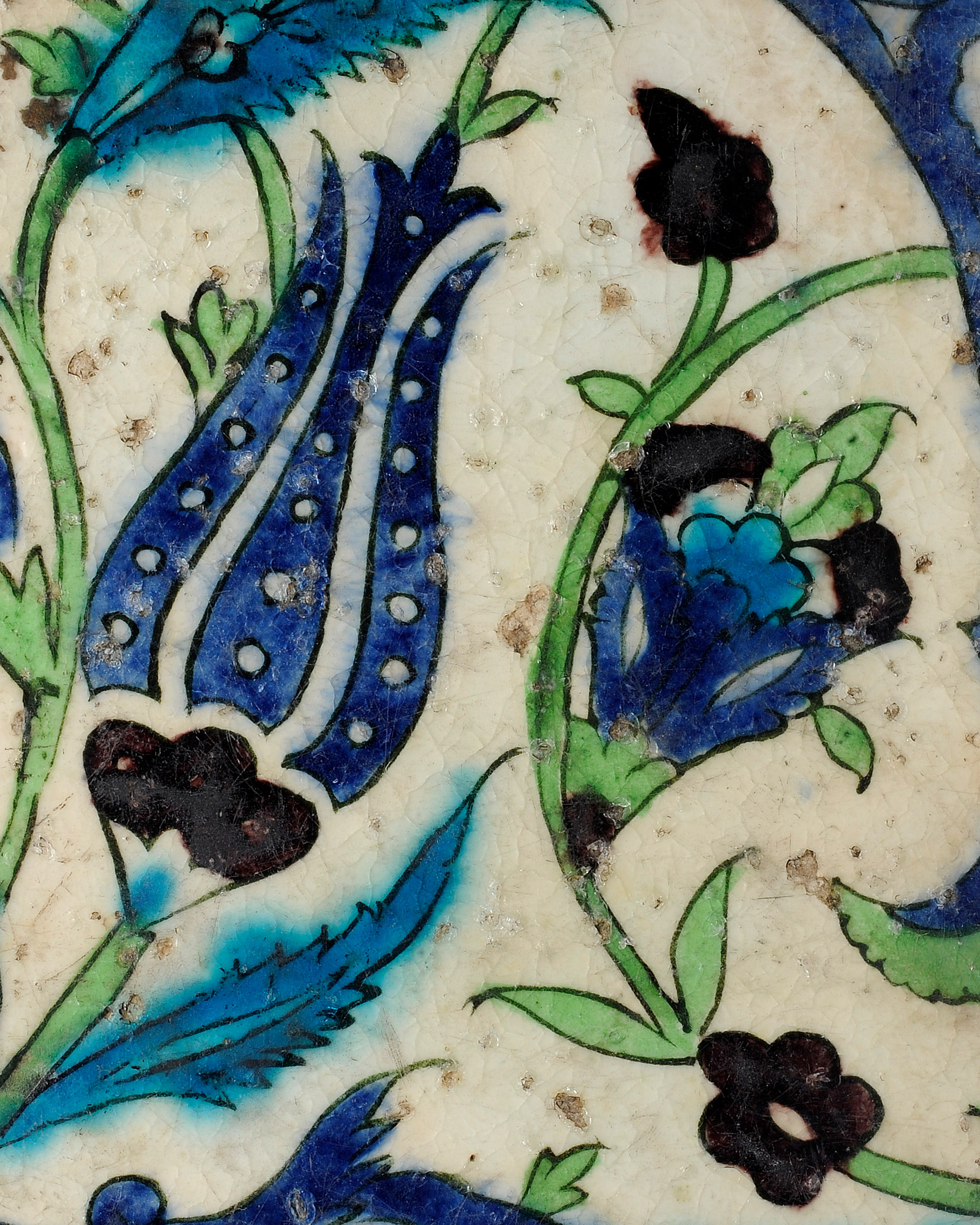
Världen på Kulturen – en resa i mönster och material
In a large exhibition spanning three floors of the Herrehuset you will meet Kulturen's large collection of ceramics from different parts of the world, together with many other objects meant to enhance the experience and knowledge of other cultures – masks, bronze vessels, textiles and weapons.
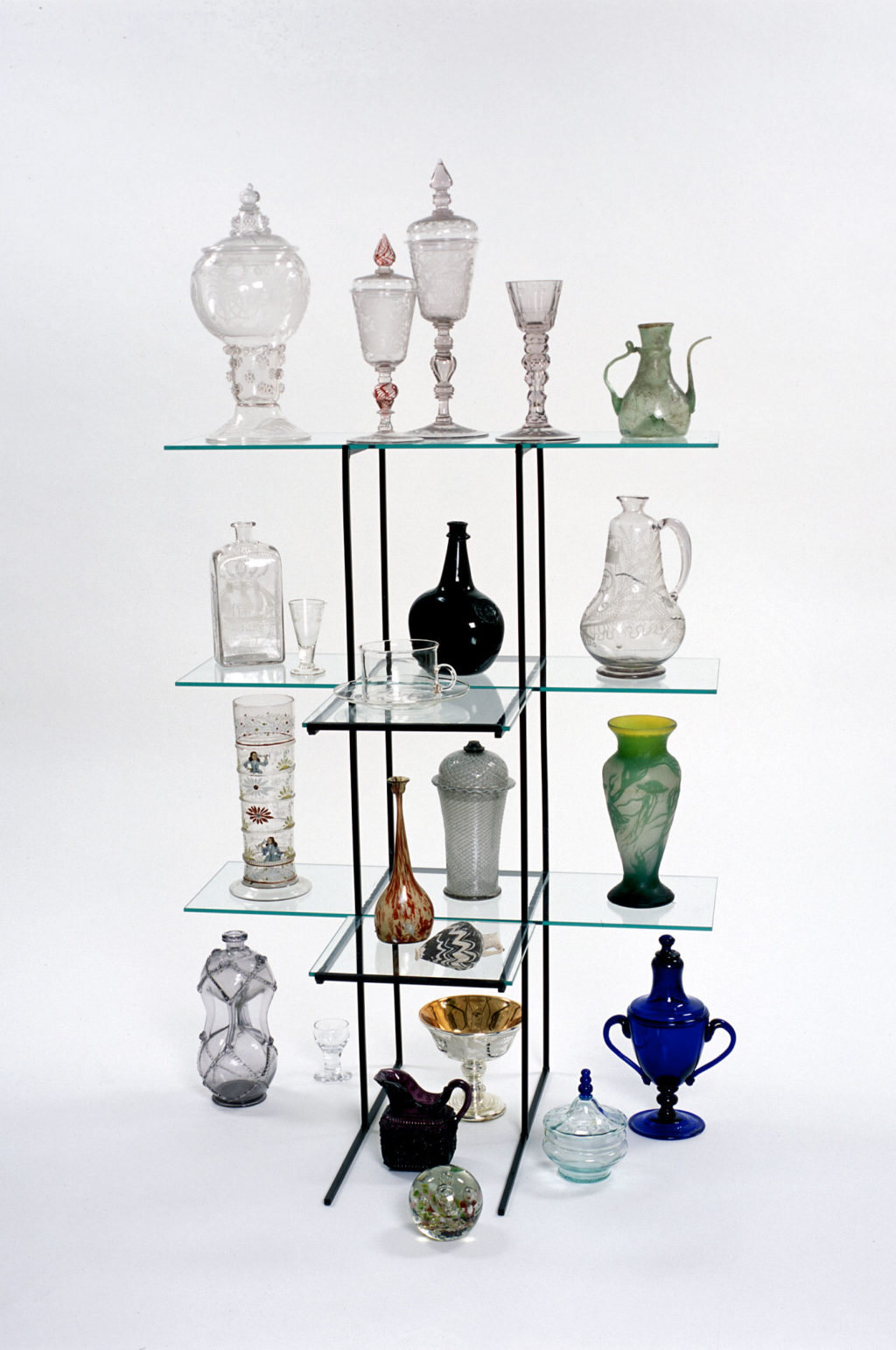
Kulturernas glas
This exhibition shows glass from different cultures and countries, from the oldest Egyptian glass made 2,500 years ago to present-day Swedish everyday glass.
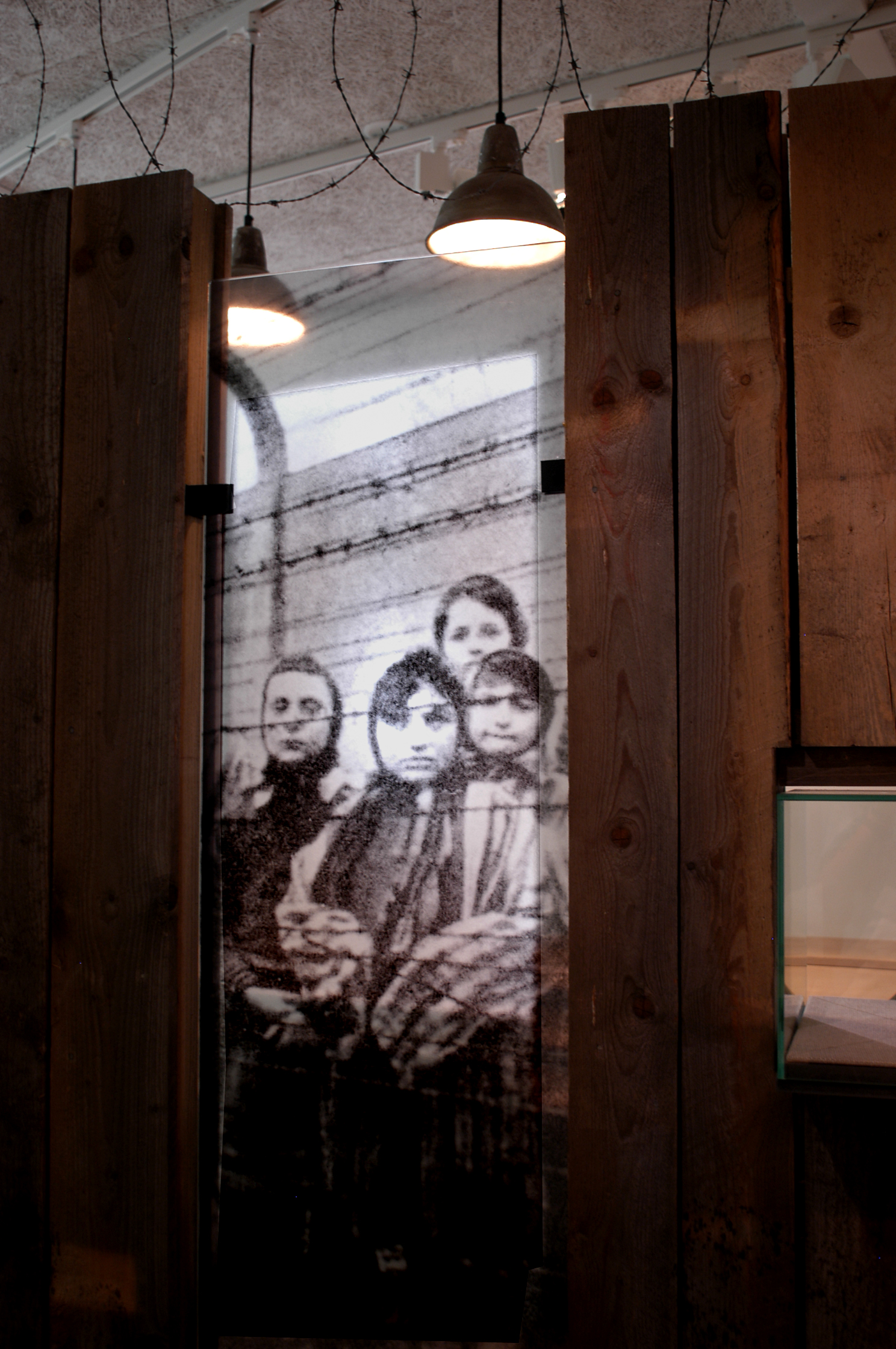
Att överleva – Röster från Ravensbrück
A unique collection of objects, gathered when the White Buses arrived in Lund in 1945, bears witness to the great courage and vitality of the women who were held prisoner in the German concentration camp Ravensbrück during the Second World War.
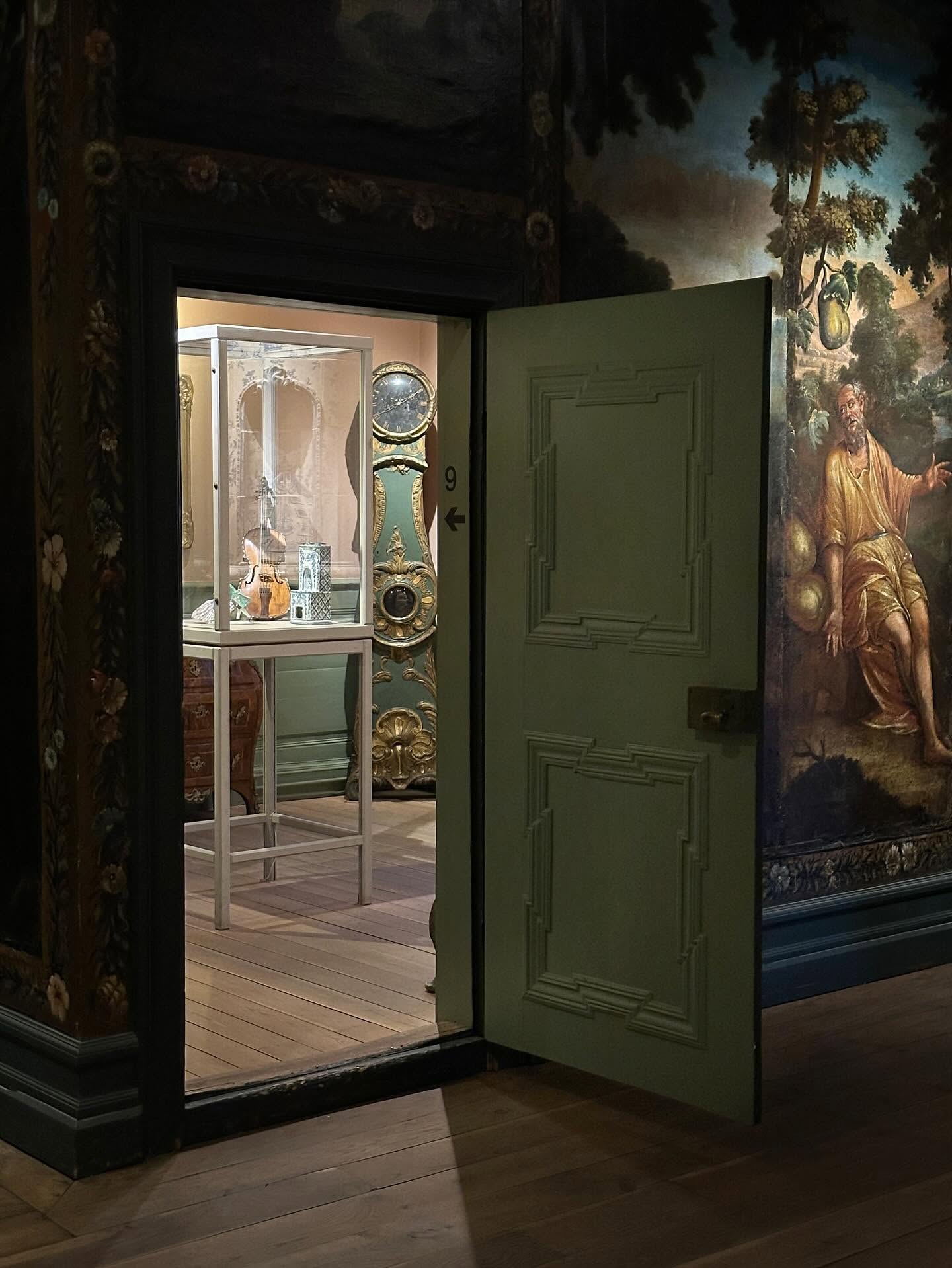
Tidens rum – Borgerligt boende 1500–1900
In the exhibition you walk from the time around 1500 and the “frustugan” (the lady's chamber) at Glimmingehus, through the middle floor's 1600s and 1700s rooms, to the attic floor's settings from the 1800s and the turn of the 1900s.
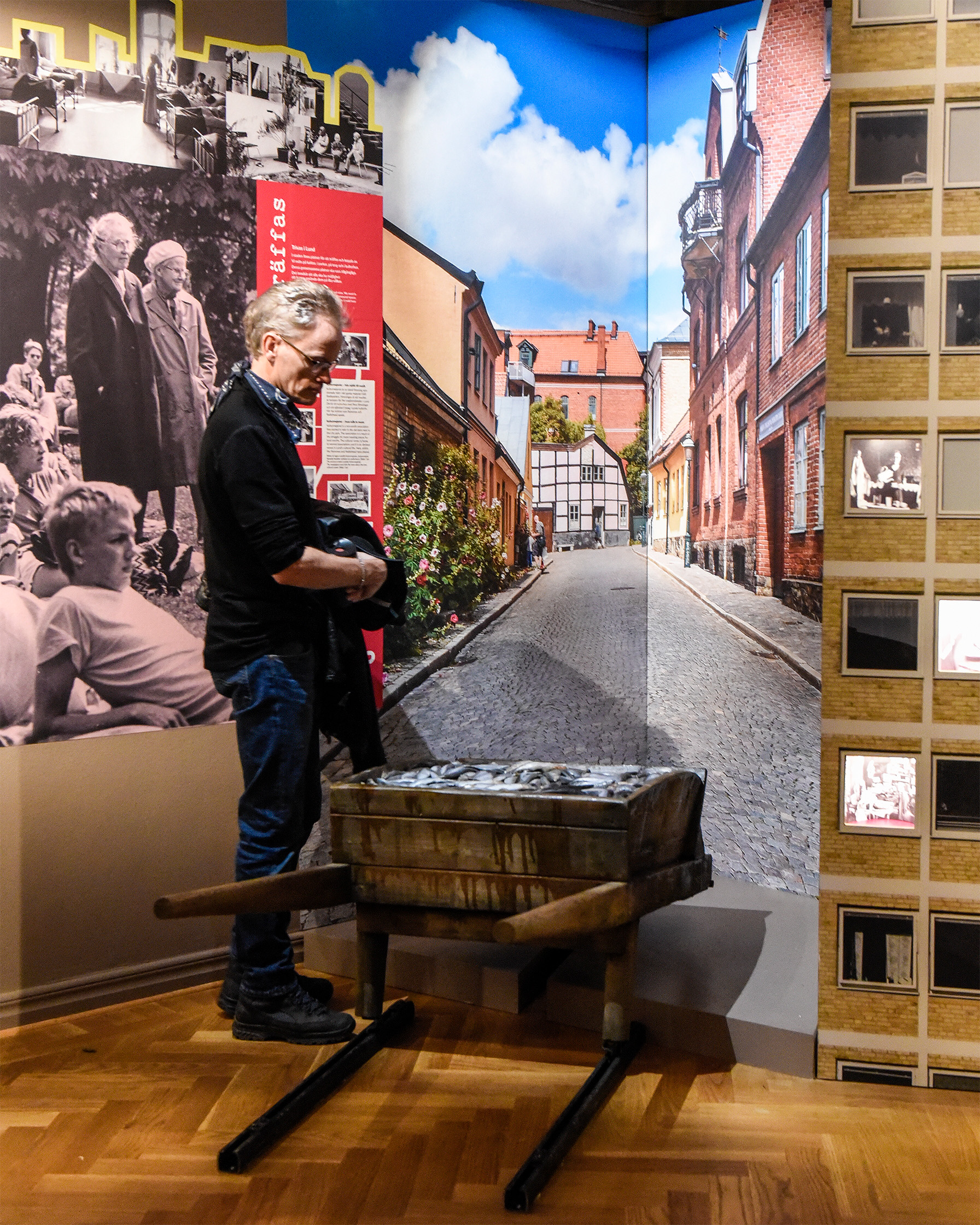
En stund i Lund – staden från 1500-talet till idag
Our city history exhibition En stund i Lund – staden från 1500-talet till idag is built around different themes and spans 500 years.
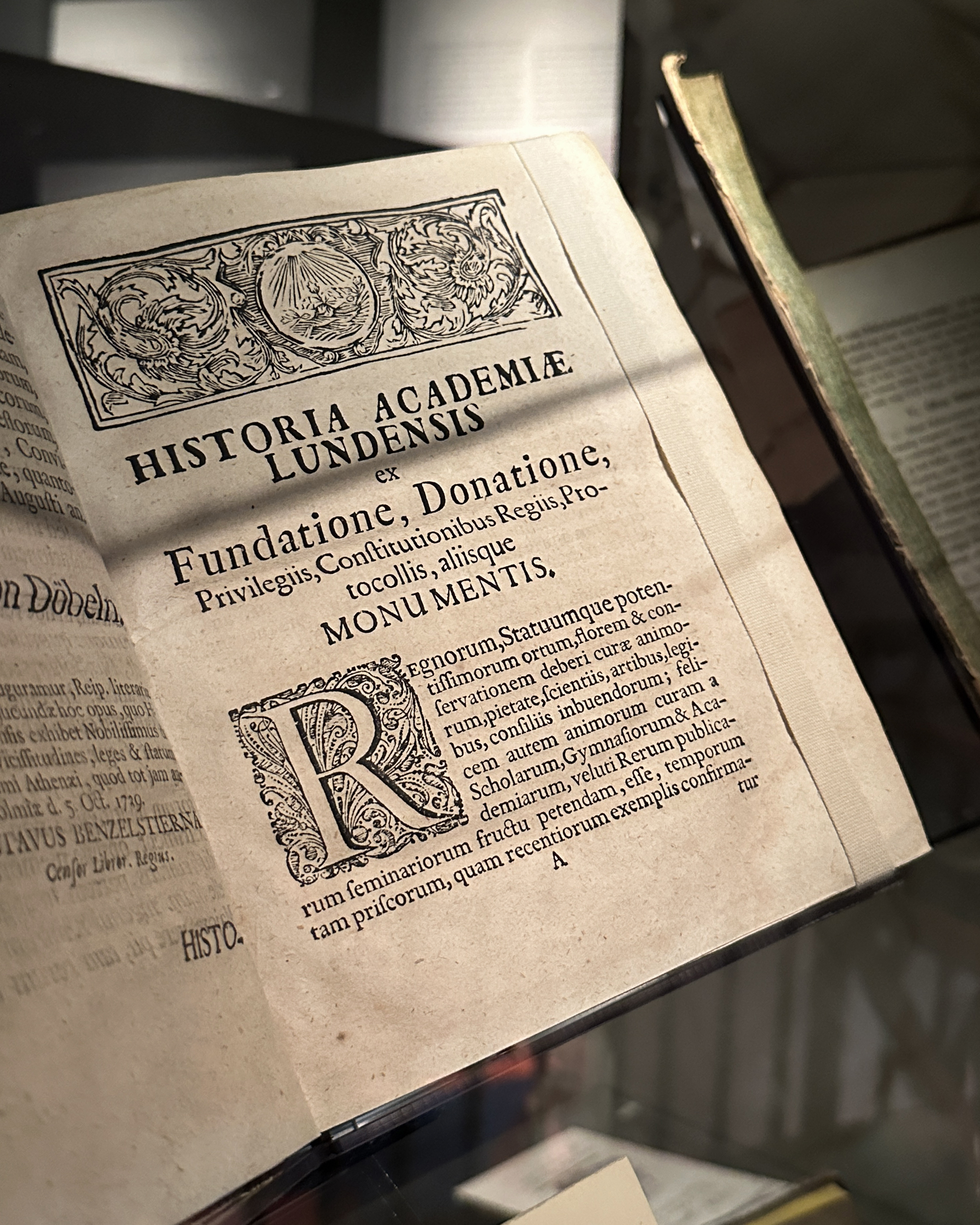
Bokkulturen
Book printing is one of the world's most important inventions. Through the printed word, people from different places and times have been able to share thoughts and ideas.
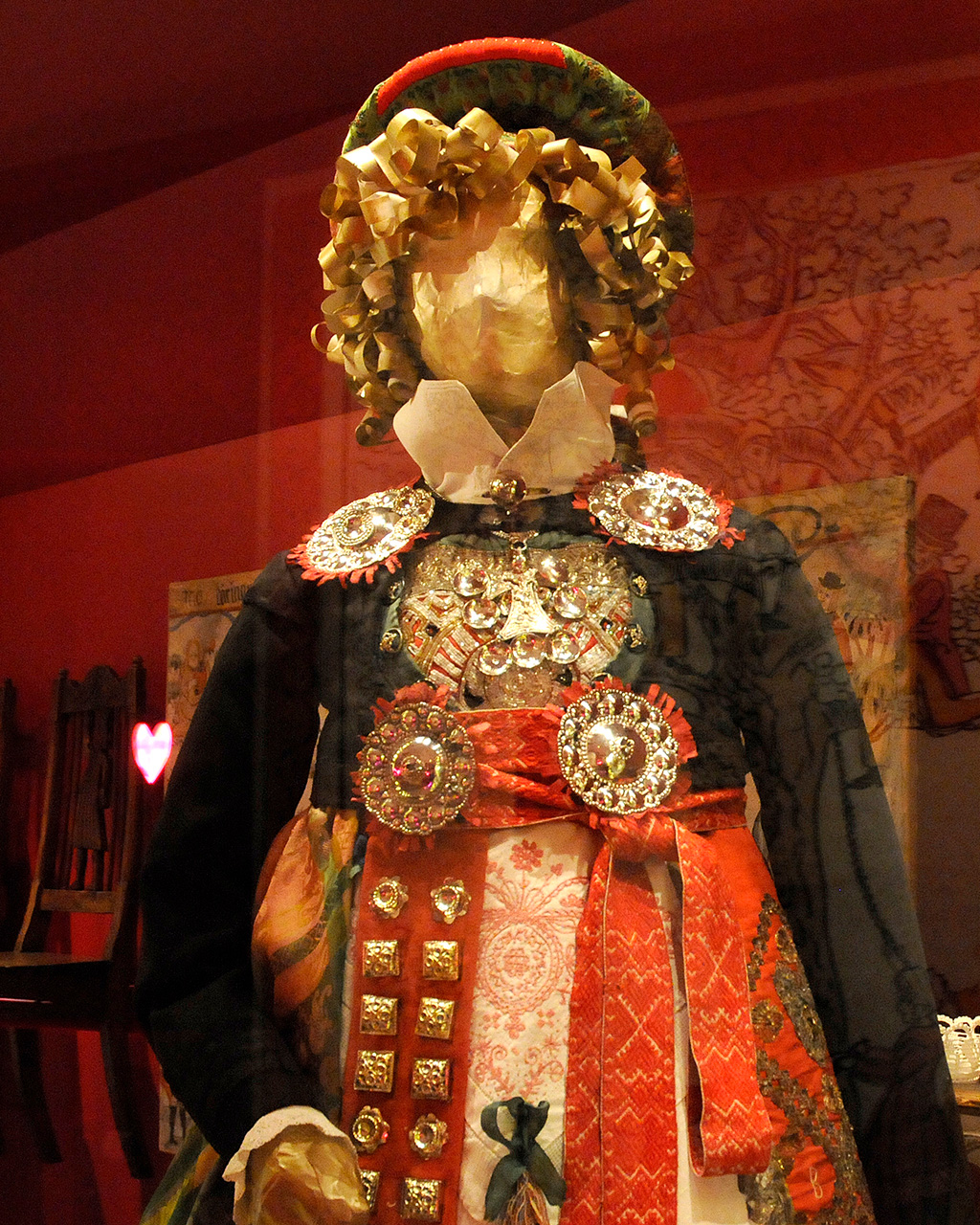
Bröllop!
Around her are carriage cushions, chairs and other objects made for weddings in southern Sweden from the late 1700s to the mid-1800s. A number of modern items serve as comments on the old ones.
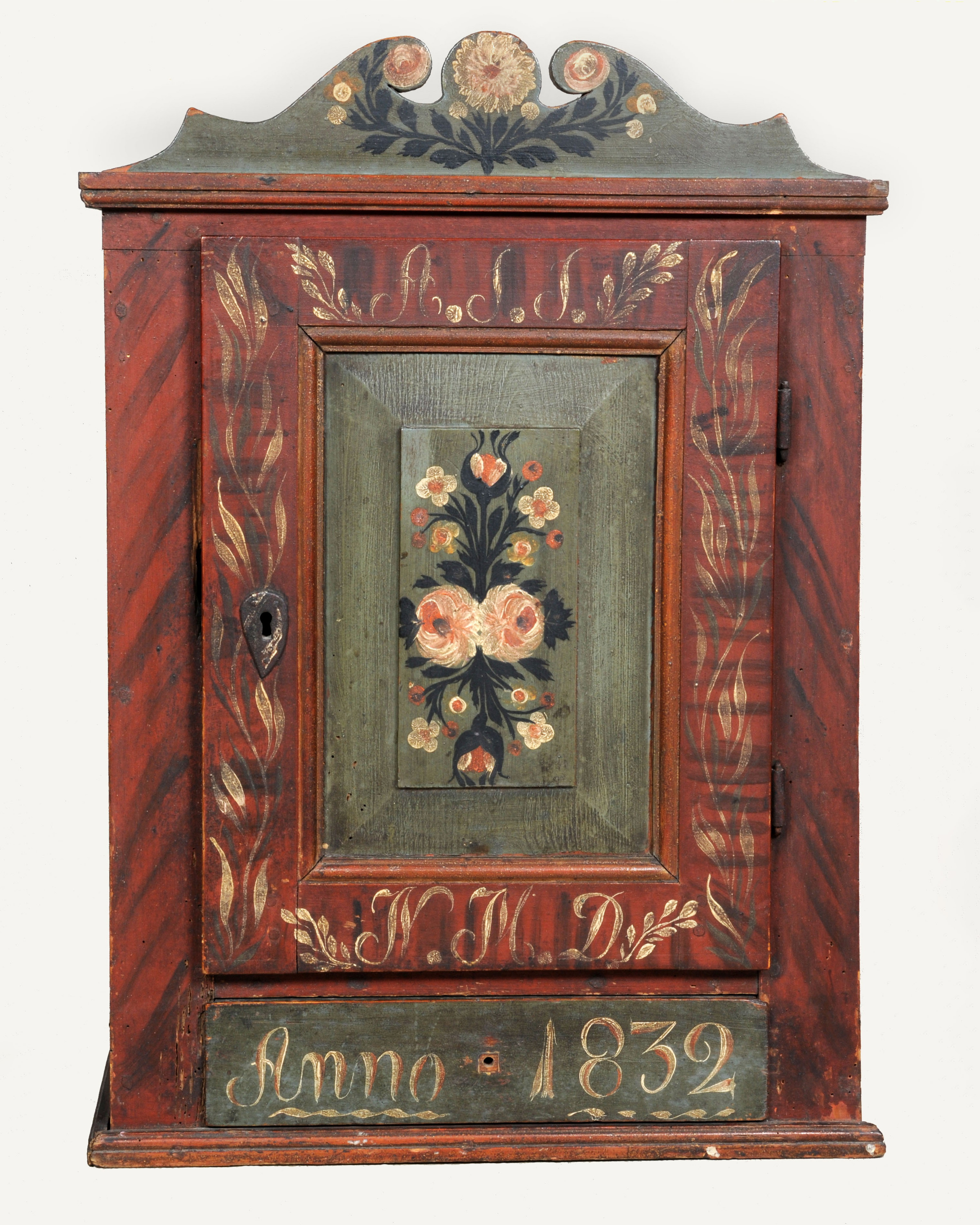
Folkkonstens skapare
Folkkonstens skapare tells the story of those who “designed” folk art in the past. Back then the craftsman handled both the design and the making, but his freedom of choice was still limited.
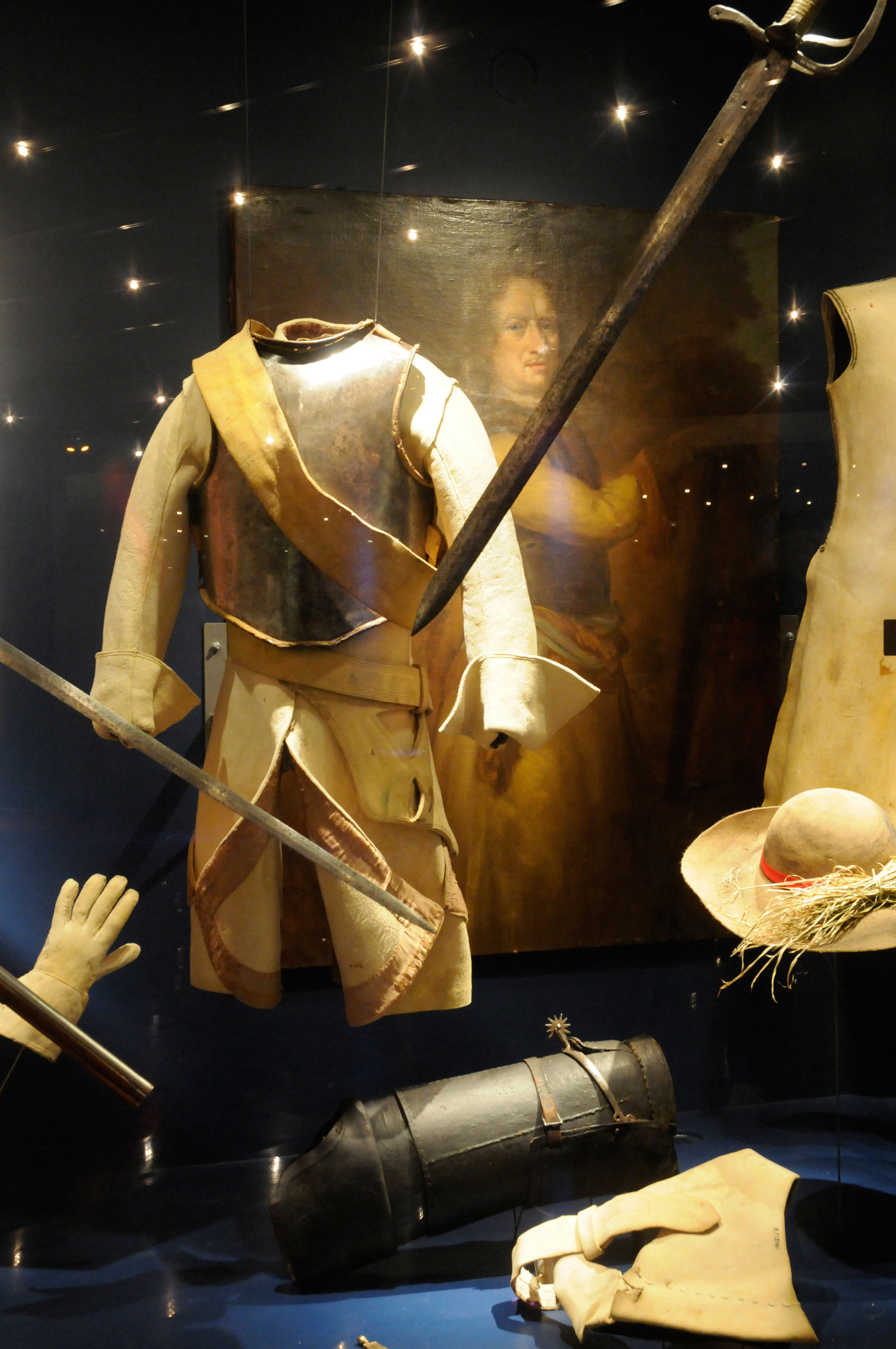
Vapen – makt över liv
Kulturen has a large and wide-ranging collection of weapons that can tell us about the role of weapons in our culture, from the earliest Stone Age to the present day. Rifled snaphance guns made in the Göinge district of northern Skåne in the 1600s, Rutger von Ascheberg's pewter field service and a buff coat of elk hide are some of the objects we meet in the exhibition.
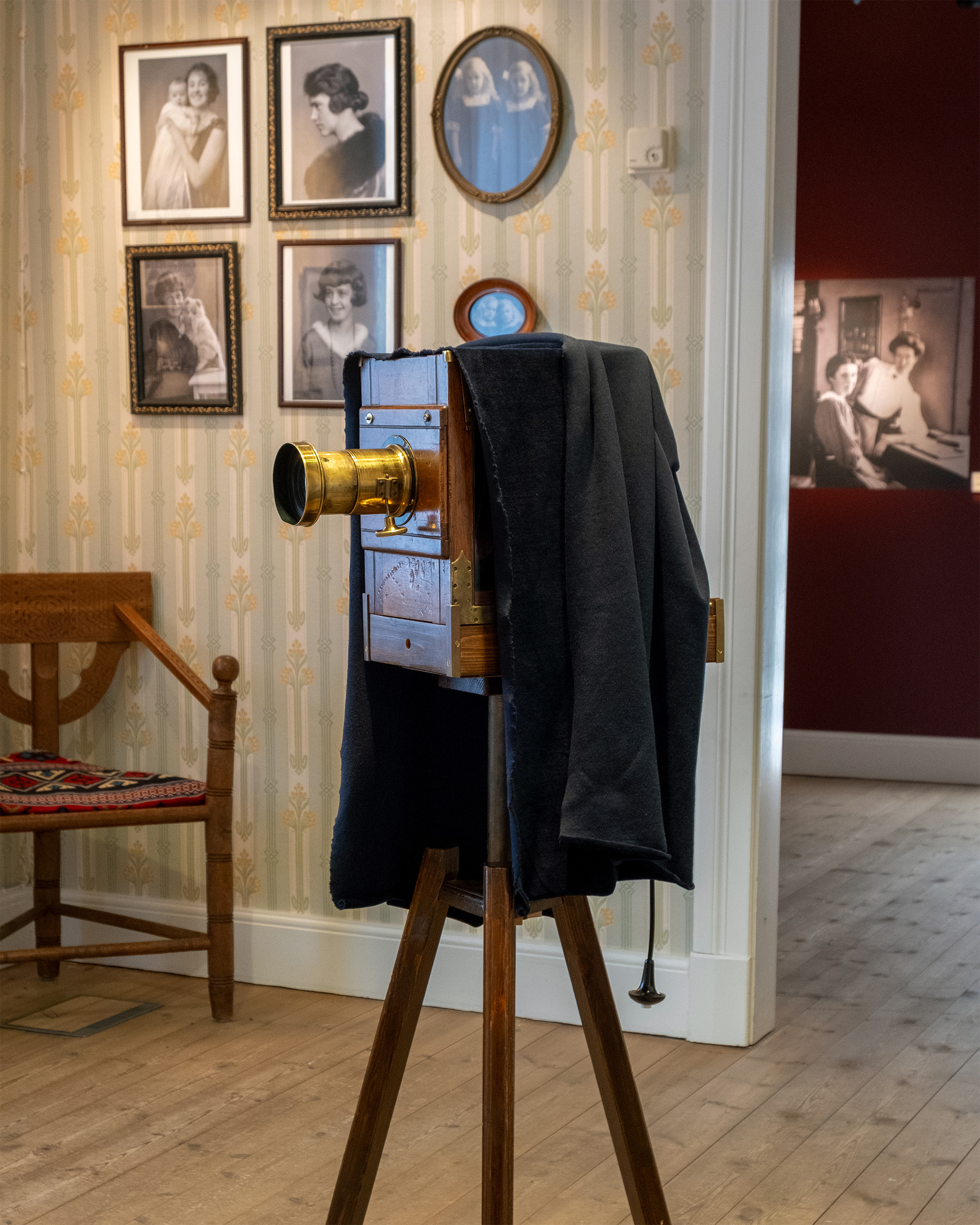
Jag ser dig – fotograf Ida Ekelund
In the spring of 2012 an exciting discovery is made in a house in Lund. When an old floor is torn up at Stora Gråbrödersgatan 12 in Lund, the apartment owners find thousands of photographic glass plates under the boards.
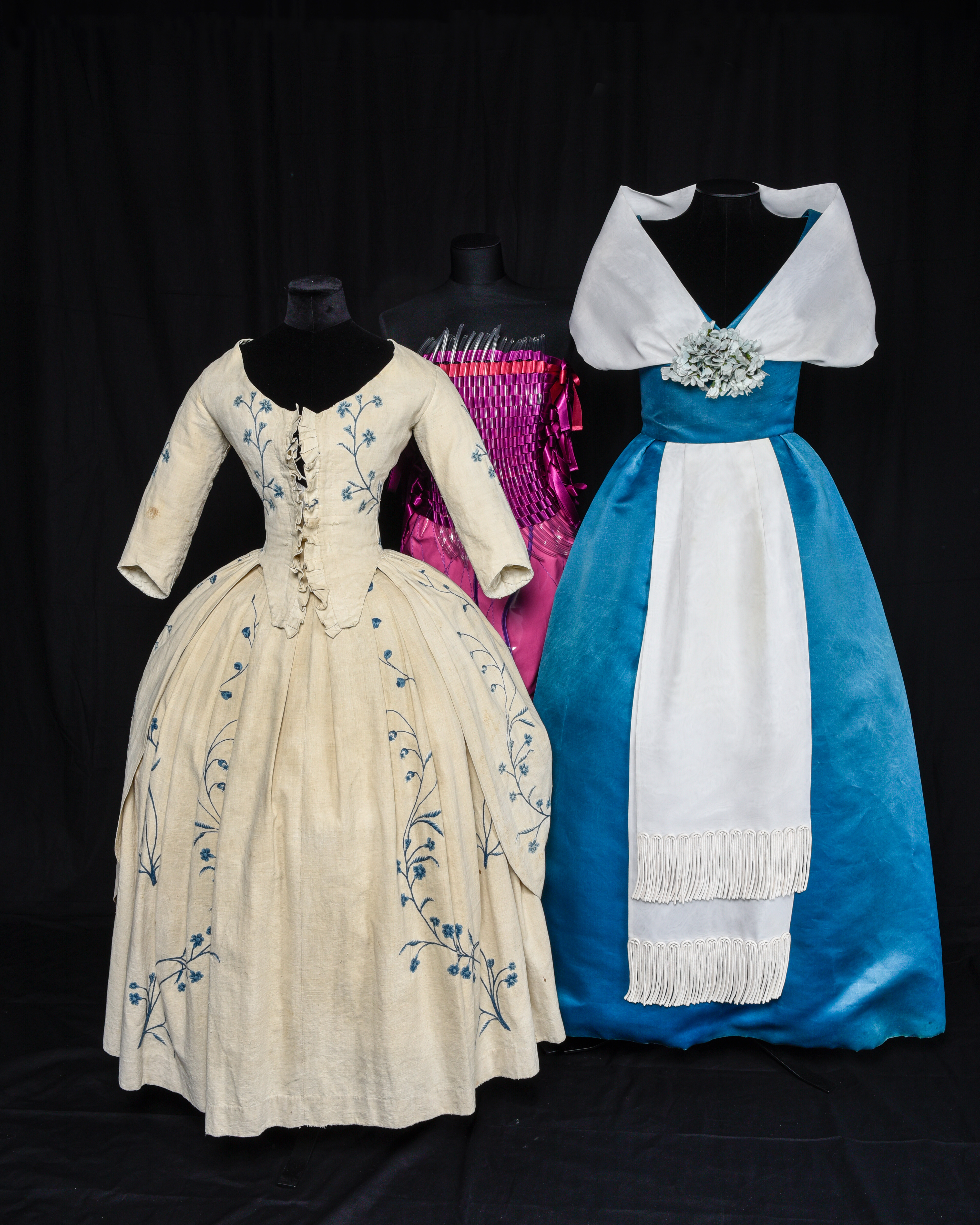
Uppklädd – kvinnligt mode 1730–2000
The exhibition “Uppklädd” shows women's fashion from Kulturen's collections. The costumes form a timeline that broadly shows the development of Western fashion from the early 1700s to the present day.
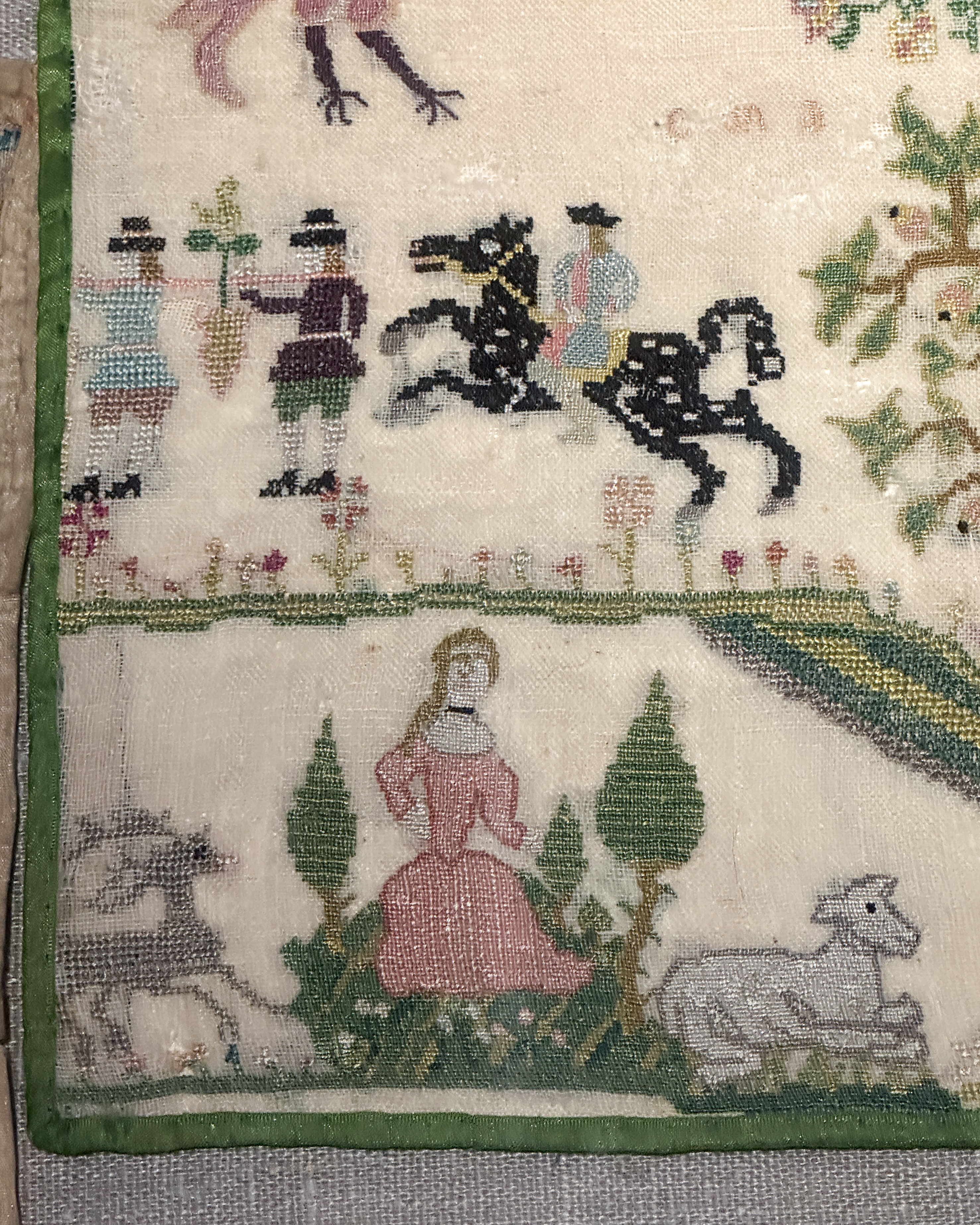
Textilt – tekniker och material
The exhibition “Textilt – tekniker och material” is a study room with a selection from Kulturen's textile collections. It shows the most common weaving techniques, as well as knitting and bobbin lace.
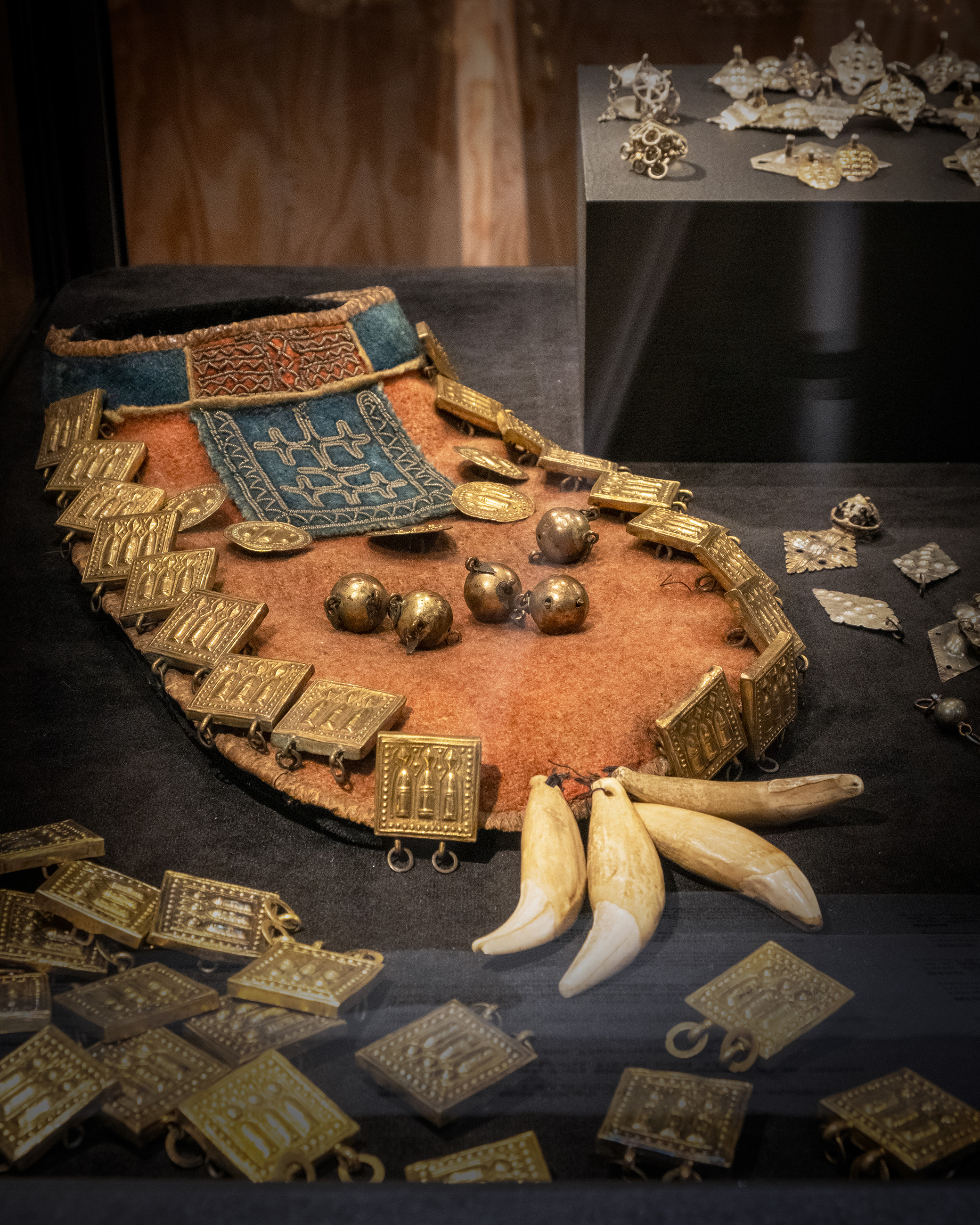
Fokus Sápmi
Based on the Sami objects in Kulturen's collections, the exhibition depicts the history and culture of the Sami people and also connects to present-day Sápmi. The exhibition begins and ends in the present and in between tells of important events and people in the history of Sápmi.
Photos: Kulturen